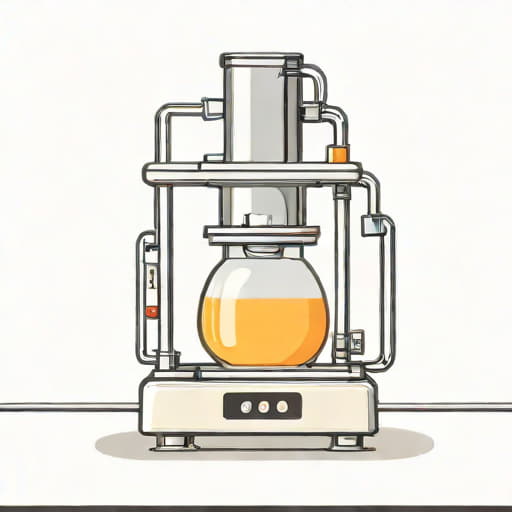
A lab scale pasteurizer is a specialized piece of equipment designed to simulate the pasteurization process on a small scale, primarily for research, development, and educational purposes. Unlike industrial pasteurizers, which process large volumes of liquid for commercial distribution, lab scale pasteurizers are used in laboratories, pilot plants, and testing facilities to study the effects of heat treatment on various liquids such as milk, juice, and other beverages. These devices allow scientists, food technologists, and quality control professionals to experiment with different pasteurization temperatures, times, and methods in a controlled environment before scaling up to industrial production. Lab scale pasteurizers play a crucial role in improving food safety, optimizing process efficiency, and ensuring that end products meet regulatory standards without compromising taste, nutrition, or quality.
Understanding Lab Scale Pasteurization
Pasteurization is a heat treatment process used to destroy harmful microorganisms in food and beverages without significantly affecting the product’s nutritional or sensory qualities. The process is named after Louis Pasteur, who demonstrated that heating liquids could prevent microbial spoilage. Lab scale pasteurizers replicate this process on a small scale, providing precise control over temperature and time, which is essential for research and testing. These devices are particularly useful for studying the thermal resistance of different microorganisms, evaluating the stability of vitamins, and examining changes in taste, color, or texture caused by heat treatment.
Types of Lab Scale Pasteurizers
Lab scale pasteurizers can be categorized based on their design and operation method. The main types include batch pasteurizers, continuous flow pasteurizers, and plate heat exchangers
- Batch PasteurizersThese systems heat a fixed volume of liquid in a vessel for a predetermined time before cooling it. They are ideal for small experiments and testing new formulations.
- Continuous Flow PasteurizersLiquids flow continuously through a heating section and then a cooling section. This method is closer to industrial operations and is used to study scalability and process efficiency.
- Plate Heat Exchanger PasteurizersThis type uses thin plates to transfer heat efficiently between the heating medium and the product. It allows precise control over temperature and is energy efficient.
Key Components of a Lab Scale Pasteurizer
Understanding the components of a lab scale pasteurizer helps in operating it effectively and interpreting experimental results. The typical components include
- Heating UnitProvides controlled heat, often using steam, hot water, or electric heating elements.
- Temperature SensorsMonitor the liquid temperature accurately to ensure precise pasteurization.
- Cooling UnitRapidly cools the liquid after heating to prevent overprocessing.
- Flow Control SystemRegulates the flow rate in continuous pasteurizers to maintain consistent heat exposure.
- Data Logging and ControlModern lab scale pasteurizers often include digital interfaces to record temperature profiles and adjust parameters for repeatable experiments.
Applications of Lab Scale Pasteurizers
Lab scale pasteurizers are widely used in research, product development, and quality control. Some key applications include
- Food Safety ResearchStudying the effectiveness of heat treatments in eliminating pathogens such asEscherichia coliandSalmonella.
- Product DevelopmentTesting new beverages, dairy products, and liquid foods to determine optimal pasteurization parameters without compromising flavor or nutrients.
- Quality ControlEnsuring consistency and compliance with regulatory standards before scaling up to commercial production.
- Academic and Educational UseTeaching students about pasteurization principles and the impact of temperature and time on food quality.
Advantages of Using a Lab Scale Pasteurizer
Using a lab scale pasteurizer offers several benefits that are essential for research and small-scale product development
- Precise ControlAccurate temperature and time control enable detailed study of microbial inactivation and quality retention.
- Cost-EfficientSmall-scale operations reduce costs compared with full-scale production trials.
- Safe ExperimentationAllows testing of new products or formulations without risking large batches of material.
- Data CollectionModern units provide digital data logging, which helps analyze thermal effects and optimize processes.
- VersatilitySuitable for liquids of varying viscosity, including milk, juice, sauces, and liquid supplements.
Operational Considerations
When operating a lab scale pasteurizer, several factors must be carefully monitored to ensure effective pasteurization and accurate experimental results
- Ensure correct calibration of temperature sensors and heating elements.
- Maintain consistent flow rates for continuous systems to prevent under or overprocessing.
- Regularly clean and sanitize equipment to prevent microbial contamination.
- Monitor pH and chemical composition of the liquid, as these factors can influence heat resistance of microorganisms.
- Validate pasteurization times and temperatures against microbial safety guidelines.
Challenges in Lab Scale Pasteurization
Despite its advantages, working with lab scale pasteurizers presents some challenges. Scaling up from lab experiments to industrial production requires careful consideration of fluid dynamics, heat transfer efficiency, and microbial inactivation kinetics. Additionally, certain liquids may have varying heat sensitivities, which requires customized protocols to prevent nutrient loss or quality degradation. Maintaining precise control and reproducibility is essential, especially when conducting experiments for regulatory compliance or scientific publication.
Factors Affecting Pasteurization
- ViscosityThicker liquids may require longer exposure to heat or higher temperatures for effective microbial inactivation.
- Initial Microbial LoadLiquids with high contamination levels may need adjusted processing parameters.
- Temperature UniformityEnsuring consistent heat throughout the liquid is critical to avoid untreated zones.
- Time-Temperature CombinationFinding the right balance between sufficient microbial kill and product quality preservation is key.
Future Trends in Lab Scale Pasteurizers
Technological advances are enhancing lab scale pasteurizers with features such as automation, real-time monitoring, and integration with computer modeling for predictive analysis. Researchers are increasingly using lab scale units to explore non-thermal pasteurization techniques, including high-pressure processing, pulsed electric fields, and ultraviolet treatments. These innovations aim to maintain product quality while achieving the same or better microbial safety standards. The integration of digital data acquisition allows precise replication of conditions for future studies and supports the development of safer, higher-quality beverages and liquid foods on an industrial scale.
Environmental and Safety Benefits
Lab scale pasteurizers also support sustainable practices by reducing energy consumption for small-scale trials and minimizing waste generation. By enabling careful study of processing parameters, researchers can develop more efficient industrial processes that lower energy use and reduce spoilage. Additionally, safety is enhanced by allowing controlled experimentation in a small, manageable environment, reducing the risk of large-scale contamination or product loss.
Lab scale pasteurizers are indispensable tools for food scientists, researchers, and educators. They provide a controlled, safe, and cost-effective way to study the pasteurization process, optimize heat treatment parameters, and develop high-quality liquid food products. By allowing precise control over temperature, time, and flow, lab scale pasteurizers ensure microbial safety while preserving the nutritional and sensory qualities of liquids. With growing interest in food safety, sustainable processing, and innovative beverage development, lab scale pasteurizers will continue to play a critical role in research and product development, bridging the gap between laboratory experimentation and full-scale industrial production.