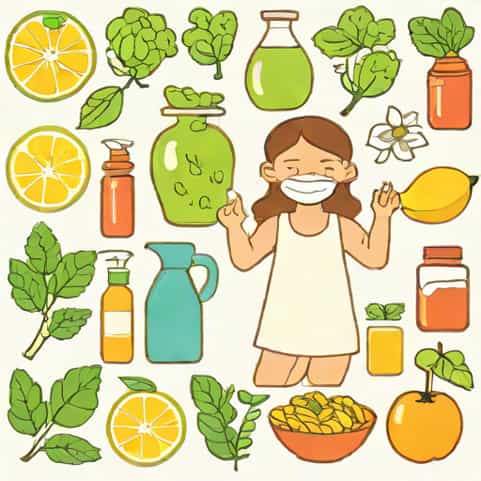
Body odor in children is a common concern for many parents, and it can sometimes cause embarrassment or discomfort for both the child and the family. While body odor is a natural part of the human body, it can be more noticeable during certain stages of growth, particularly around puberty. However, even younger children can experience unpleasant smells due to sweat, bacteria, or dietary factors. Instead of relying solely on commercial deodorants, which may contain harsh chemicals, there are several natural remedies that can help manage body odor safely and effectively. These methods focus on hygiene, diet, and simple home treatments that are gentle for a child’s sensitive skin.
Understanding the Causes of Body Odor in Children
Before exploring natural remedies, it is important to understand what causes body odor in children. Sweat itself is usually odorless, but when it mixes with bacteria on the skin, it can create an unpleasant smell. Certain areas, such as the armpits, feet, and groin, are more prone to bacteria buildup. Factors such as diet, hydration, hormonal changes, and clothing choices can also influence odor. Addressing these root causes can be more effective than merely masking the smell.
Hygiene Practices
Maintaining proper hygiene is the first and most important step in controlling body odor in children. Simple habits can make a significant difference
- Regular BathsEncourage children to bathe daily using mild, child-friendly soap. Focus on areas prone to sweating, such as armpits, feet, and groin.
- Proper DryingEnsure that the child’s skin is thoroughly dried after bathing. Bacteria thrive in warm, moist environments, so keeping skin dry helps reduce odor.
- Clean ClothingDress children in clean clothes made from natural, breathable fabrics like cotton. Synthetic materials can trap sweat and promote bacterial growth.
- Frequent Sock ChangesFor children with sweaty feet, changing socks multiple times a day can help prevent foot odor.
Natural Deodorizing Ingredients
Several natural ingredients can be used safely on children to reduce body odor without irritating sensitive skin. Some effective options include
- Baking SodaA small amount of baking soda mixed with water can be applied to the underarms to neutralize odor. It absorbs moisture and reduces bacterial activity.
- Apple Cider VinegarDiluted apple cider vinegar can be used as a gentle astringent. Apply lightly to the skin to balance pH levels and fight odor-causing bacteria.
- Coconut OilCoconut oil has natural antibacterial properties. It can be applied to underarms or feet to help reduce bacterial growth.
- Lemon JuiceLemon juice’s acidic nature helps neutralize odor. Dilute with water and apply cautiously to avoid skin irritation.
Dietary Considerations
What children eat can have a noticeable impact on body odor. Certain foods can increase sweat production or contribute to stronger odors, while others may help reduce them.
- Reduce Processed FoodsFoods high in sugar and additives can affect body odor. Encouraging whole foods like fruits, vegetables, and grains can improve overall body chemistry.
- HydrationDrinking plenty of water helps flush toxins from the body and keeps sweat less concentrated, reducing odor.
- Avoid Strong-Smelling FoodsFoods such as garlic, onions, and spicy dishes can intensify body odor. Moderation is key, especially for younger children.
- ProbioticsYogurt and other probiotic-rich foods support gut health, which can indirectly influence body odor.
Clothing and Environmental Tips
Clothing and environmental factors play a crucial role in managing body odor naturally. Simple changes can make a significant difference
- Breathable FabricsDress children in cotton or moisture-wicking fabrics to allow the skin to breathe and reduce sweat accumulation.
- Loose-Fitting ClothesTight clothing can trap sweat and heat, creating a breeding ground for bacteria.
- Laundry HabitsWash clothes thoroughly and avoid using harsh chemical detergents. Adding a small amount of vinegar to the rinse cycle can help neutralize odors in clothing.
- Footwear ChoicesShoes should be breathable and rotated to allow drying between uses. Using natural insoles or sprinkling baking soda inside shoes can help absorb moisture and reduce odor.
Natural Remedies for Specific Areas
Targeted remedies can help manage body odor in specific areas of the body
- ArmpitsAfter bathing, applying a thin layer of baking soda or coconut oil can keep underarms fresh throughout the day.
- FeetSoaking feet in warm water with a little apple cider vinegar or Epsom salt can reduce bacteria and odor.
- Clothing FreshenersFor stubborn odors in sports uniforms or shoes, sprinkling a bit of baking soda or using natural fabric sprays can help.
Encouraging Healthy Habits in Children
Teaching children about personal hygiene and natural body odor management is essential. Encourage them to develop daily habits that include bathing, changing clothes, and understanding which foods or activities may affect their body odor. By involving children in these practices, they learn self-care and become more confident in managing their own hygiene naturally.
When to Consult a Doctor
While natural remedies are generally effective, there are times when body odor may signal an underlying medical condition. If a child experiences sudden or strong body odor, excessive sweating, or odor accompanied by other symptoms like weight loss or skin changes, it is important to consult a pediatrician. Conditions such as metabolic disorders, hormonal imbalances, or infections may require professional attention.
Managing body odor in children does not always require chemical deodorants. With a combination of proper hygiene, dietary awareness, breathable clothing, and safe natural remedies, parents can help their children stay fresh and confident. Regular baths, clean clothing, and gentle natural treatments such as baking soda, coconut oil, or diluted apple cider vinegar can make a big difference. Teaching children these habits early helps them develop healthy routines that last a lifetime, ensuring that body odor remains a manageable and natural aspect of growing up.