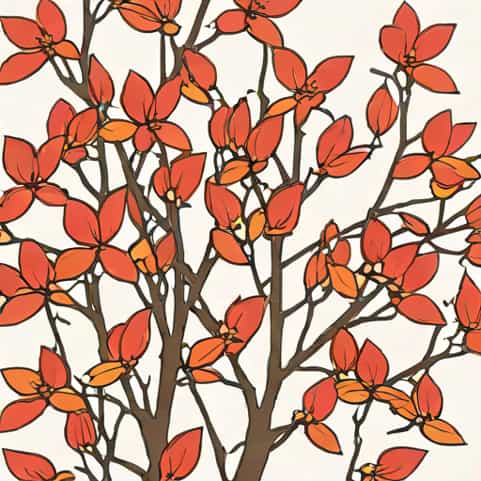
Gardeners searching for a shrub that delivers beauty through all four seasons often find themselves drawn to the red twigged dogwood shrub. Known for its vivid red stems that brighten winter landscapes and its lush foliage and berries throughout the rest of the year, this shrub offers visual interest that few plants can match. Whether planted as a focal point, used in borders, or paired with evergreens, the red twigged dogwood shrub stands out because of its versatility, low maintenance needs, and remarkable year-round appeal. Its reliability in cold climates makes it especially valuable for gardeners who want color even when most plants are dormant.
Characteristics of the Red Twigged Dogwood Shrub
The red twigged dogwood shrub, often referred to as red osier dogwood, is known for its brilliant red stems that emerge most strikingly in winter. This deciduous shrub typically grows between six and nine feet tall and spreads nearly as wide. Its natural shape is rounded, and it responds well to pruning, which encourages the vibrant new growth that gardeners love.
Seasonal Beauty
The shrub showcases a full transformation throughout the year
- SpringFresh green leaves and clusters of tiny white flowers begin to appear.
- SummerThe foliage deepens in color, and white berries begin forming.
- FallLeaves turn shades of orange, red, or purple depending on soil and climate.
- WinterWhen the leaves fall, the bright red stems provide strong contrast against snow and grey landscapes.
Hardiness and Adaptability
The red twigged dogwood shrub thrives in a wide range of soil types, from clay to sandy soils. It also tolerates wet ground, making it suitable for rain gardens and shoreline plantings. This adaptability helps it serve both decorative and functional landscaping roles, such as preventing soil erosion along slopes or creek banks.
Best Growing Conditions
To cultivate a healthy red twigged dogwood shrub, understanding its ideal growing environment is essential. While the shrub is forgiving, certain conditions help maximize its color, growth, and long-term vitality.
Sunlight and Shade
The shrub grows well in full sun to partial shade. For the brightest and strongest red stems, gardeners often choose a location with at least six hours of direct sunlight. Areas with too much shade may still support growth but often lead to duller stems in winter.
Soil Preferences
Although tolerant of many soil types, the shrub prefers moist, well-drained conditions. It naturally grows in areas that receive consistent moisture, such as wetlands or low-lying spaces. Adding compost or organic matter can help improve soil structure and boost overall plant performance.
Water Requirements
During the first year after planting, regular watering is essential to help roots establish. Once mature, the red twigged dogwood shrub becomes relatively drought-tolerant but still benefits from occasional deep watering during prolonged dry spells. Consistent moisture contributes to healthier stems and more vibrant color.
Planting and Maintenance Tips
Gardeners appreciate the red twigged dogwood shrub not only for its beauty but also for its ease of care. With minimal effort, this shrub rewards its caretaker with constant seasonal interest and steady growth.
How to Plant
Plant the shrub in early spring or early fall to give it time to establish before extreme temperatures arrive. Dig a hole twice as wide as the root ball but no deeper than its height. After placing the shrub in the hole, backfill with soil and water thoroughly. Adding mulch helps retain soil moisture and regulate temperature.
Pruning for Color
One of the most important maintenance steps is pruning. The brightest red stems grow on younger branches, so removing older stems encourages new color. Many gardeners use a technique called rejuvenation pruning, which involves cutting the shrub back to about six inches above the ground every two to three years.
Controlling Growth
The shrub spreads naturally, which can be desirable for hedges or privacy screenings. However, if a gardener wants a more compact shape, yearly pruning and shaping will help maintain size. For a more natural look, allow the shrub to expand and create a dense thicket.
Benefits in Landscape Design
The red twigged dogwood shrub is highly valued in landscape design for its dramatic color contrast and structural interest. It enhances gardens throughout the year and provides both aesthetic and ecological benefits.
Winter Color and Structure
Winter landscapes often need added contrast, and the red twigged dogwood shrub excels at delivering it. Its vivid stems stand out against snow, evergreen foliage, or bare ground. Many gardeners plant several shrubs together for a more dramatic display.
Pairing With Other Plants
This shrub complements a variety of plants. It pairs especially well with evergreens, ornamental grasses, and shrubs with golden or variegated foliage. Combining multiple varieties of dogwood shrubs can also create color variation ranging from bright red to deep burgundy or even yellow stems.
Wildlife Appeal
The red twigged dogwood shrub is beneficial for wildlife. Birds feed on the berries, and the dense branches offer shelter. Bees and other pollinators visit the flowers during spring and early summer, contributing to a healthy garden ecosystem.
Environmental and Functional Uses
Beyond its beauty, the red twigged dogwood shrub plays important environmental roles. It is often used in natural restoration projects because of its hardiness and ability to stabilize soil.
Erosion Control
The extensive root system helps secure soil, making the shrub ideal for slopes, streambanks, and areas prone to washouts. In wet regions, it helps stabilize the ground while adding natural charm.
Rain Gardens and Wet Areas
Because the shrub tolerates moisture, it is frequently used in rain gardens, drainage swales, and areas with runoff issues. It absorbs excess water, reduces pooling, and filters nutrients before they enter waterways.
Hedging and Privacy
When planted in clusters, the shrub forms a dense barrier suitable for privacy screens or defining property lines. Its full foliage in summer and eye-catching stems in winter provide year-round structure.
Common Varieties
There are several varieties of red twigged dogwood shrub, each offering unique characteristics while maintaining the classic red-stem appeal.
Popular Types
- Red Osier DogwoodThe most common variety, known for bright red stems and white berries.
- Arctic FireA compact version ideal for smaller spaces or garden beds.
- SibiricaFeatures intensely bright red stems, often used in mass plantings.
- CardinalKnown for especially vivid red color that lasts well into winter.
Potential Problems and How to Avoid Them
Although hardy, the red twigged dogwood shrub may encounter certain issues. Fortunately, most are easy to manage with proper care.
Disease Prevention
The shrub can experience fungal problems such as leaf spot or canker if planted in overly wet or crowded areas. Ensuring good air circulation and avoiding overhead watering helps prevent disease.
Pest Management
Common pests include scale insects and borers. Regular pruning, healthy soil, and occasional inspection reduce the risk of infestations. Natural predators like birds also help keep pest populations low.
Maintaining Color
To maintain strong winter color, prune regularly and ensure the shrub receives adequate sunlight. Over time, older stems fade and need to be removed to make way for younger, brighter growth.
The red twigged dogwood shrub offers an exceptional balance of beauty, resilience, and practicality. From its striking winter stems to its spring blossoms and fall foliage, it enhances landscapes in countless ways. Whether used for erosion control, wildlife support, or four-season garden design, this shrub remains a favorite among gardeners who value both aesthetic charm and dependable performance. With proper planting and regular pruning, the red twigged dogwood shrub becomes a standout feature in any outdoor space.