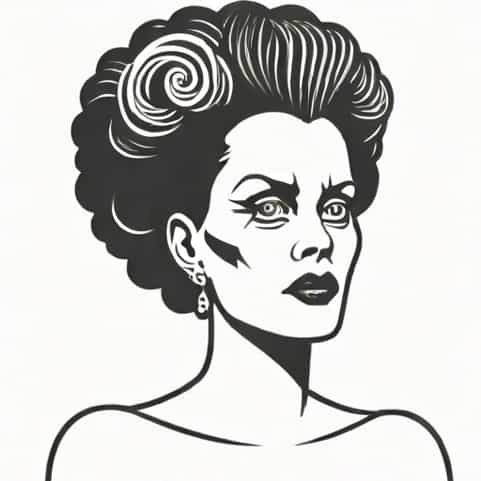
The Bride of Frankenstein is a landmark film in cinematic history, widely recognized for its groundbreaking approach to horror, storytelling, and visual design. Released in 1935 as the sequel to the original 1931 Frankenstein film, it was directed by James Whale and produced by Universal Pictures. The movie continues the story of Dr. Frankenstein and his infamous creation, exploring themes of loneliness, human responsibility, and the search for companionship. Beyond its narrative, the film stands out for its innovative special effects, hauntingly memorable performances, and the way it expanded the horror genre, influencing generations of filmmakers and audiences alike.
Historical Context
Set against the backdrop of the early 20th century, The Bride of Frankenstein emerged during a time when horror films were gaining popularity in Hollywood. Universal Pictures had already experienced significant success with the original Frankenstein, which established the archetype for the modern horror movie. The sequel was developed quickly to capitalize on the original film’s success, but James Whale brought a level of artistry, depth, and emotion that elevated it beyond mere continuation. The 1930s were also a time of technological experimentation in film, allowing Whale to incorporate groundbreaking makeup, set design, and cinematography techniques that contributed to the film’s enduring legacy.
Key Production Elements
- Director James Whale, known for his skill in balancing horror with humor and character development.
- Producers Carl Laemmle Jr., supporting Universal’s commitment to the horror genre.
- Screenplay Written by William Hurlbut and others, adapting Mary Shelley’s original concepts.
- Makeup Jack Pierce’s iconic designs created the unforgettable appearance of Frankenstein’s monster and the Bride.
- Special Effects Innovative use of lighting, shadows, and laboratory equipment to create suspense and visual impact.
Plot Summary
The story picks up where the original Frankenstein left off, with Dr. Henry Frankenstein facing the consequences of his experiments. The Monster, portrayed by Boris Karloff, survives and is driven by isolation and a desire for companionship. Dr. Frankenstein is coerced by his former mentor, Dr. Pretorius, into creating a mate for the Monster. The introduction of the Bride, portrayed by Elsa Lanchester, brings new dimensions to the narrative, exploring themes of identity, fear, and societal rejection. The tension builds as the Monster and the Bride confront the limits of acceptance, morality, and human understanding, culminating in a dramatic and haunting conclusion.
Main Characters
- Frankenstein’s Monster – seeking companionship and struggling with human rejection.
- Dr. Henry Frankenstein – the conflicted scientist torn between ambition and conscience.
- Dr. Pretorius – a manipulative figure who encourages Frankenstein to continue his experiments.
- The Bride – a new creation whose existence challenges the Monster’s expectations and human moral boundaries.
- Supporting characters – villagers and minor figures who illustrate fear and societal norms.
Thematic Exploration
The Bride of Frankenstein delves deeply into themes of isolation, morality, and the consequences of playing god. The Monster’s yearning for companionship underscores the universal human need for connection, while the film critiques the ethical implications of scientific experimentation. The Bride’s introduction raises questions about identity, choice, and societal rejection, as both she and the Monster struggle to find acceptance in a world that fears the unfamiliar. Themes of love, fear, and loneliness are interwoven with the horror narrative, making the film emotionally resonant as well as visually compelling.
Major Themes
- Loneliness and desire for companionship – central to the Monster’s motivation.
- Moral responsibility – the ethical consequences of scientific creation.
- Societal fear and prejudice – exploring human reactions to difference.
- Identity and self-awareness – the Bride’s existence raises questions of autonomy and choice.
- Love and loss – human emotions mirrored in the experiences of non-human characters.
Visual and Cinematic Innovations
The film is widely celebrated for its visual artistry, which combines gothic aesthetics, expressionist influences, and innovative special effects. Whale’s use of lighting and shadows enhances the mood, creating a sense of tension and drama throughout the movie. Jack Pierce’s makeup transforms actors into unforgettable characters, with the Bride’s iconic hair and stitched visage becoming enduring symbols of horror. The laboratory scenes, complete with bubbling chemicals and dramatic machinery, showcase the ingenuity of 1930s special effects, leaving a lasting impression on audiences and influencing the visual style of countless horror films that followed.
Key Visual Elements
- Iconic makeup – Jack Pierce’s designs for the Monster and Bride.
- Expressionist set design – gothic and surreal elements to enhance mood.
- Lighting techniques – use of shadows to heighten suspense and drama.
- Laboratory visuals – creative use of props and effects to convey scientific experiments.
- Cinematic framing – camera angles that emphasize scale, fear, and emotional impact.
Impact and Legacy
The Bride of Frankenstein has had a profound influence on both the horror genre and popular culture. Its combination of suspense, emotion, and visual innovation set a standard for sequels and inspired filmmakers for decades. The film’s themes of loneliness, morality, and societal fear continue to resonate, and the characters, particularly the Monster and the Bride, remain iconic symbols. It also contributed to Universal’s monster universe, cementing the studio’s reputation for creating enduring horror classics. The movie is studied in film schools, celebrated at festivals, and referenced in media worldwide, demonstrating its lasting cultural and artistic significance.
Legacy Highlights
- Influenced future horror films and sequels through its narrative and visual style.
- Created enduring cultural icons in the Monster and the Bride.
- Highlighted the potential of horror as a medium for exploring complex human themes.
- Contributed to Universal’s identity as a studio for iconic monster films.
- Recognized for innovative makeup, special effects, and cinematic techniques still studied today.
The Bride of Frankenstein stands as a monumental achievement in cinematic history, blending horror, emotion, and artistry in a way that continues to captivate audiences nearly a century after its release. James Whale’s direction, coupled with memorable performances and groundbreaking visual design, makes the film both a thrilling horror experience and a thoughtful exploration of human themes. Its influence on the horror genre, film production, and popular culture is undeniable, cementing its status as a classic that continues to inspire and entertain. For anyone interested in the origins of modern horror, the exploration of morality and identity, or the beauty of early film artistry, The Bride of Frankenstein remains an essential and timeless work.