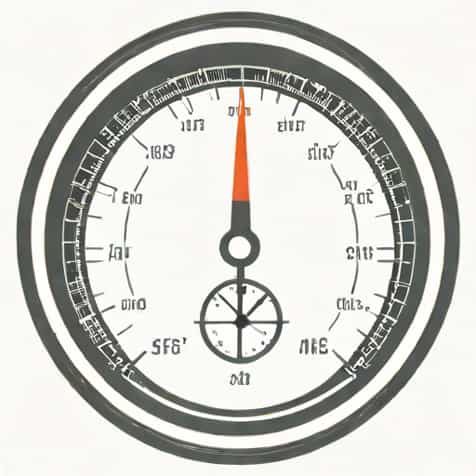
The aneroid barometer is a simple yet powerful scientific instrument that has been used for centuries to measure atmospheric pressure. Unlike the traditional mercury barometer, the aneroid version operates without liquid, making it portable, safer, and widely adaptable. Its design relies on a sealed, flexible metal chamber that expands or contracts as air pressure changes. Because of its accuracy and convenience, it is used not only in meteorology but also in various industries, transportation, and scientific applications. Understanding the many uses of an aneroid barometer highlights its importance in everyday life and specialized fields.
Scientific and Meteorological Uses
Weather Prediction
One of the most common uses of an aneroid barometer is in predicting weather. By monitoring changes in atmospheric pressure, meteorologists can forecast whether conditions will be fair, stormy, or rainy. A sudden drop in pressure typically signals bad weather, while a rise in pressure often indicates clear skies. Farmers, sailors, and outdoor workers all benefit from this predictive capability.
Tracking Climate Patterns
Aneroid barometers are also valuable in tracking climate changes over time. Long-term monitoring of air pressure helps scientists understand local and regional climate trends. This data supports research into global warming, storm frequency, and seasonal variations, making the instrument a vital tool in environmental studies.
Educational Purposes
In classrooms and laboratories, the aneroid barometer is widely used as a teaching tool. It allows students to learn about atmospheric pressure, weather systems, and the behavior of gases. Because it is safe and does not involve mercury, it is ideal for demonstrating scientific principles in schools.
Industrial and Engineering Applications
Mining Industry
In the mining industry, aneroid barometers are used to monitor underground air pressure. Sudden changes may indicate potential hazards, such as gas leaks or structural instability. Keeping track of pressure ensures the safety of workers and equipment.
Aviation Engineering
Aneroid barometers play a significant role in aviation. They are incorporated into altimeters, which measure altitude based on changes in air pressure. Pilots rely on this information to maintain safe flight levels and navigation accuracy. Without pressure-based instruments, modern air travel would be far less reliable.
Industrial Safety
Factories and industrial plants use aneroid barometers as part of safety systems to ensure stable air pressure in sensitive environments. For example, in chemical plants, maintaining proper atmospheric conditions can prevent dangerous reactions or equipment malfunctions.
Uses in Navigation and Exploration
Maritime Navigation
Sailors and fishermen have long depended on barometers to anticipate storms and make safer decisions at sea. Aneroid barometers are compact and durable, making them ideal for ships and boats. By interpreting barometric readings, seafarers can avoid dangerous weather conditions.
Mountain Climbing and Hiking
For explorers and mountaineers, aneroid barometers are used to estimate altitude. As elevation increases, atmospheric pressure decreases, and this relationship allows climbers to gauge their progress. Portable barometers combined with compasses are common tools for outdoor enthusiasts who need reliable navigation aids in remote areas.
Aviation and Space Exploration
Beyond Earth, pressure measurement remains crucial. Aneroid barometers are adapted for use in spacecraft and research missions to monitor cabin pressure and external atmospheric conditions. While digital technology has advanced, the principle of aneroid pressure measurement continues to be applied in modern exploration.
Everyday and Practical Uses
Home Weather Stations
Many households and hobbyists use aneroid barometers as part of home weather stations. These instruments help individuals track local weather without relying solely on forecasts. Gardeners, for example, may use pressure readings to decide when to water or protect plants from incoming storms.
Hobbyist and Collectible Use
Beyond functionality, aneroid barometers are often valued as decorative items. Many are designed with intricate dials and polished cases, making them attractive additions to homes or offices. Collectors prize antique versions for their craftsmanship and historical value.
Sports and Outdoor Activities
In activities such as sailing, hiking, and gliding, small portable aneroid barometers help participants monitor conditions. These tools can provide quick warnings of incoming storms or altitude changes, making outdoor adventures safer and more enjoyable.
Scientific Research and Fieldwork
Geological Studies
Researchers studying the Earth’s crust and formations use aneroid barometers in fieldwork. Measuring altitude changes during expeditions helps map terrain and geological features. This data supports the exploration of mountain ranges, plateaus, and valleys.
Environmental Monitoring
Field scientists often carry aneroid barometers to measure pressure changes during ecological studies. Tracking pressure fluctuations helps link environmental changes to animal behavior, plant growth, and atmospheric shifts. This makes the instrument useful in multidisciplinary research.
Calibration and Testing
Because they are precise, aneroid barometers are also used as calibration devices for other instruments. Laboratories use them to check the accuracy of gauges and sensors, ensuring reliable results across various fields of study.
Advantages of Using an Aneroid Barometer
- Portable and lightweight compared to mercury barometers
- Safe, with no risk of toxic mercury exposure
- Durable, making it suitable for outdoor and industrial environments
- Versatile applications across science, industry, and daily life
- Relatively affordable and widely available
Limitations and Considerations
Accuracy Issues
While highly practical, aneroid barometers may not always be as precise as mercury barometers or digital instruments. They can drift over time and require calibration to maintain accuracy. This makes them less ideal for extremely precise scientific measurements.
Environmental Sensitivity
Factors such as temperature and altitude can affect readings. Proper handling and adjustment are needed to ensure correct data collection. Despite these limitations, their ease of use often outweighs the drawbacks.
The uses of an aneroid barometer extend far beyond simple pressure measurement. From predicting weather and ensuring aviation safety to supporting industrial operations and scientific exploration, it remains a vital tool in multiple fields. Its portability, reliability, and versatility make it relevant even in the age of digital technology. Whether used at sea, in the sky, on mountain trails, or inside laboratories, the aneroid barometer continues to play a significant role in helping people understand and adapt to atmospheric changes. Its enduring value lies in its ability to connect the invisible forces of the atmosphere to practical human needs.