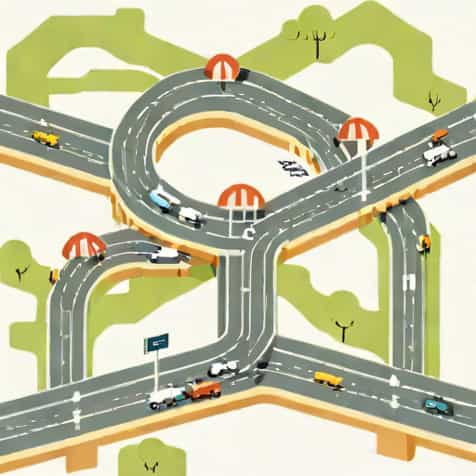
Using a contraflow system has become an essential strategy in modern traffic management, particularly in urban areas and during periods of heavy congestion. Contraflow systems involve reversing the normal direction of traffic flow on certain lanes or roads to optimize movement, reduce delays, and improve overall safety. This method is widely applied during construction projects, special events, emergencies, and peak travel periods. By understanding the principles and benefits of contraflow systems, transportation authorities and drivers alike can better navigate complex traffic scenarios and enhance efficiency on busy road networks.
What is a Contraflow System?
A contraflow system is a traffic management approach in which one or more lanes of a roadway are temporarily or permanently reversed to allow traffic to move in the opposite direction from the usual flow. This method is often used on highways, bridges, or tunnels to accommodate high traffic volumes or to maintain traffic movement when part of the road is closed for maintenance or emergencies. By creating additional capacity in the direction of peak travel demand, contraflow systems can significantly reduce congestion and improve travel times.
Types of Contraflow Systems
- Temporary ContraflowImplemented during short-term events such as road construction, sporting events, or accidents. Cones, barriers, and temporary signage guide drivers safely through the reversed lanes.
- Permanent ContraflowUsed in some urban designs or highway configurations where traffic patterns are consistently unbalanced. Permanent lane reversals are clearly marked with signage, signals, and road markings.
- Contraflow for Emergency EvacuationsDuring emergencies, contraflow systems can double the outbound capacity of highways to facilitate the rapid evacuation of residents.
Advantages of Using a Contraflow System
Improved Traffic Flow
One of the primary benefits of a contraflow system is its ability to alleviate congestion. During rush hours or special events, traffic often builds up in one direction while the opposite lanes are underutilized. By reversing lanes, authorities can balance the flow, reduce bottlenecks, and allow more vehicles to pass through critical sections efficiently.
Enhanced Safety
Contraflow systems, when properly implemented, can enhance safety for both drivers and workers in construction zones. Barriers, cones, and clear signage prevent vehicles from entering restricted areas, and controlled lane reversal minimizes the risk of accidents caused by sudden merges or abrupt stops.
Flexibility in Traffic Management
Contraflow systems offer flexibility in responding to dynamic traffic situations. Authorities can quickly deploy temporary contraflow lanes to handle unexpected congestion due to accidents, weather conditions, or other emergencies. This adaptability ensures that the road network can respond efficiently to changing traffic patterns.
Implementation of a Contraflow System
Planning and Design
Successful contraflow systems require careful planning and design. Traffic engineers analyze traffic volumes, road width, entry and exit points, and potential conflict areas. Proper planning ensures that the system accommodates the maximum number of vehicles safely and minimizes disruptions to regular traffic patterns.
Signage and Road Markings
Effective communication is crucial in a contraflow system. Signs, cones, and road markings guide drivers through the reversed lanes. Overhead signals and temporary electronic signs may also be used to provide real-time information about lane status and traffic conditions.
Barriers and Safety Measures
Physical barriers, such as concrete or plastic dividers, separate the contraflow lanes from normal traffic. These barriers protect drivers from collisions and prevent unauthorized lane changes. Safety patrols and law enforcement presence further enhance compliance and reduce risks.
Applications of Contraflow Systems
Construction Zones
Highway construction often requires lane closures, which can severely disrupt traffic flow. Contraflow systems allow a portion of the roadway to maintain traffic in both directions while other lanes are under construction, minimizing delays and frustration for drivers.
Emergency Evacuations
During natural disasters such as hurricanes or wildfires, contraflow lanes can be used to increase the outbound capacity of major highways. This approach enables faster evacuation and reduces the risk of congestion-related accidents during critical moments.
Special Events
Large public gatherings, concerts, and sporting events can create temporary surges in traffic demand. Contraflow systems help manage these peaks by temporarily reversing lanes to facilitate smooth entry and exit routes for attendees.
Challenges in Using Contraflow Systems
Driver Confusion
Contraflow lanes can be confusing for drivers who are not familiar with the setup. Misunderstanding signs or lane directions may lead to accidents or violations. Clear signage and public awareness campaigns are essential to mitigate these risks.
Limited Road Space
Not all roads are suitable for contraflow implementation due to narrow lanes, bridges, or tunnels. Engineers must assess physical constraints carefully to ensure that the system can operate safely without overcrowding lanes.
Enforcement and Monitoring
Maintaining order in contraflow lanes requires enforcement and monitoring. Police or traffic control officers often oversee the system to prevent violations, ensure proper lane usage, and manage incidents that may arise.
Best Practices for Drivers in a Contraflow System
- Follow all posted signs and road markings carefully.
- Reduce speed and maintain safe distances from other vehicles.
- Stay alert for sudden lane merges or changes in traffic flow.
- Avoid distractions such as mobile phones while navigating contraflow lanes.
- Obey traffic control personnel and temporary signals guiding the system.
Future Trends in Contraflow Systems
As traffic technology advances, contraflow systems are expected to become more adaptive and intelligent. Smart traffic management tools, such as real-time monitoring, dynamic lane assignment, and automated signage, may improve the safety and efficiency of contraflow systems. These innovations could help reduce congestion even further and provide a more seamless driving experience during peak travel periods.
Using a contraflow system is an effective strategy for improving traffic flow, enhancing safety, and providing flexibility in road management. From construction zones to emergency evacuations and special events, contraflow systems allow authorities to optimize limited road space and reduce congestion. Proper planning, clear signage, physical barriers, and driver awareness are key to successful implementation. As transportation networks evolve, contraflow systems will continue to play an essential role in modern traffic management, making travel safer, faster, and more efficient for all road users.