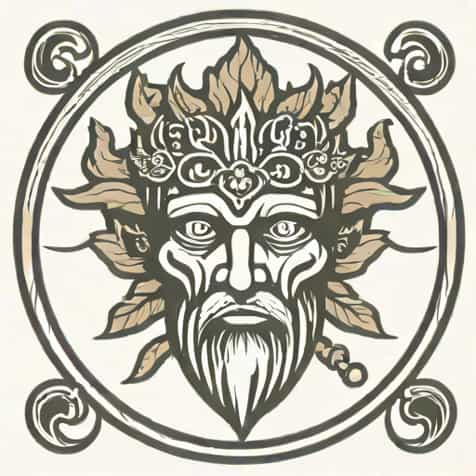
Dionysian madness is a concept rooted in ancient Greek culture and philosophy, referring to a state of ecstatic frenzy, irrationality, and emotional excess associated with the god Dionysus. This form of madness represents a departure from rational thought, allowing individuals to experience intense passion, creativity, and liberation from societal norms. The idea has influenced literature, psychology, and philosophy, particularly in the works of Friedrich Nietzsche, who contrasted the Dionysian with the Apollonian as opposing forces in human experience. Understanding Dionysian madness involves exploring its historical origins, cultural significance, and modern interpretations, revealing how human beings navigate the tension between reason and instinct, order and chaos.
Origins of Dionysian Madness
Dionysian madness originates from the worship of Dionysus, the Greek god of wine, fertility, ritual ecstasy, and theatre. In ancient Greek religion, followers of Dionysus, known as Maenads or Bacchantes, would participate in frenzied rituals characterized by music, dance, and intoxication. These rituals were designed to dissolve social boundaries and allow participants to merge with the divine presence of Dionysus. The resulting states of ecstatic release were considered both dangerous and sacred, embodying the paradox of pleasure and peril inherent in human passion. Dionysian madness was seen as a temporary suspension of rational control, a channel through which divine inspiration and creativity could manifest.
The Role of Dionysian Madness in Greek Culture
In Greek culture, Dionysian madness had multiple roles. It served as a religious experience, a form of communal bonding, and a source of artistic inspiration. The ecstatic rituals allowed participants to confront and release deep-seated emotions, fears, and desires that were otherwise suppressed by social order. In literature and theatre, particularly in Greek tragedy, Dionysian themes often represented the chaotic and uncontrollable aspects of human nature. Characters experiencing Dionysian madness might undergo transformations, violent outbursts, or profound insight, reflecting the dual nature of this ecstatic state as both destructive and creative.
Dionysian vs. Apollonian
Friedrich Nietzsche, in his work The Birth of Tragedy, contrasted the Dionysian with the Apollonian as two fundamental artistic and psychological forces. While the Apollonian represents order, reason, structure, and clarity, the Dionysian embodies chaos, instinct, emotion, and ecstasy. According to Nietzsche, Greek tragedy achieves its profound impact by balancing these opposing forces, allowing audiences to experience the tension between rationality and instinctive passion. Dionysian madness, in this framework, is not merely a loss of control but a necessary engagement with the raw, primal aspects of existence that fuel creativity and insight.
Characteristics of Dionysian Madness
Dionysian madness can be identified through several distinct characteristics, including
- EcstasyA heightened emotional state that transcends ordinary consciousness and social norms.
- Loss of SelfDissolution of the ego and personal boundaries, leading to a sense of unity with nature, community, or the divine.
- Intense Sensory ExperienceHeightened perception of music, dance, color, and movement, often associated with ritual or artistic expression.
- IrrationalitySuspension of logical thought, allowing instinctive and emotional impulses to guide behavior.
- TransformationPotential for profound psychological, spiritual, or artistic change resulting from the ecstatic experience.
Dionysian Madness in Art and Literature
Throughout history, Dionysian madness has inspired a wide range of artistic and literary works. In Greek tragedy, playwrights such as Euripides and Sophocles explored characters who succumbed to frenzied passion or divine influence, demonstrating both the dangers and the transformative potential of such states. Later, Romantic and Symbolist artists drew on Dionysian themes to convey emotional intensity, chaos, and transcendence. In modern literature, novels and plays often depict characters experiencing loss of control, obsession, or ecstatic inspiration, reflecting the ongoing fascination with Dionysian principles and the human struggle between reason and instinct.
Psychological Interpretations
Modern psychology has also examined Dionysian madness as a metaphor for the interplay between conscious control and unconscious drives. Psychologists interpret these ecstatic and frenzied states as expressions of suppressed desires, emotional release, or creative inspiration. In this view, engaging with Dionysian energy can promote emotional catharsis and self-discovery, though excessive indulgence may lead to destructive behavior. Therapies that incorporate dance, music, and expressive arts often draw on Dionysian principles to facilitate emotional release and personal transformation.
Cultural and Social Significance
Dionysian madness continues to hold cultural significance beyond ancient rituals and philosophical texts. Festivals, performances, and contemporary celebrations sometimes evoke the ecstatic and liberating qualities associated with Dionysian states. The concept has been applied to understand social phenomena, such as collective hysteria, mass celebrations, and moments of revolutionary energy, where groups of people collectively experience heightened emotion and irrationality. In these contexts, Dionysian madness reveals the human need for connection, release, and transcendence of ordinary life.
Modern Relevance
Today, the idea of Dionysian madness resonates in various fields, from psychology and literature to music and performance art. Artists, musicians, and writers often channel Dionysian energy to create works that evoke intense emotion, challenge conventional norms, and explore the depths of human experience. In everyday life, engaging with Dionysian energy can provide a healthy outlet for stress, emotional tension, and creativity, highlighting the enduring relevance of this ancient concept in contemporary society.
Dionysian madness represents a fascinating intersection of religion, philosophy, art, and psychology, embodying the tension between reason and instinct, order and chaos. Originating in the worship of Dionysus, it encompasses ecstatic experiences, emotional release, and creative transformation, offering both risks and rewards to those who engage with it. By contrasting Dionysian energy with Apollonian order, thinkers like Nietzsche have illuminated the importance of balancing rationality with instinctive passion in human life. Across history and into modern times, Dionysian madness continues to inspire artistic expression, psychological insight, and cultural exploration, providing a lens through which we can understand the complex and dynamic nature of human experience.
Ultimately, Dionysian madness invites us to confront the primal, instinctive forces within ourselves and society. It reminds us that moments of ecstasy, irrationality, and emotional intensity are not merely chaotic, but essential components of creativity, personal growth, and communal connection. By studying and appreciating Dionysian principles, we gain a deeper understanding of the human psyche, the role of emotion and passion in our lives, and the enduring power of myth and ritual to shape culture and consciousness.