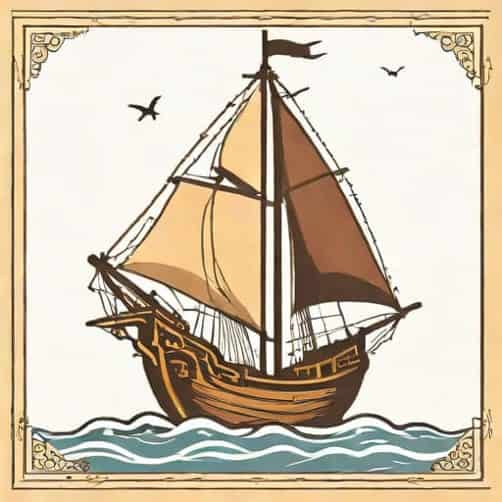
The caravel is one of the most significant types of sailing ships in the history of maritime exploration. Known for its speed, maneuverability, and ability to navigate both coastal and open seas, the caravel played a crucial role during the Age of Discovery in the 15th and 16th centuries. This innovative ship design enabled explorers to travel longer distances, map new territories, and establish trade routes across the Atlantic, Africa, and the Americas. Understanding who invented the caravel and its development helps shed light on the evolution of naval technology and the expansion of European influence across the globe. The caravel’s design marked a turning point in maritime exploration, combining advanced engineering with practical functionality that set the stage for centuries of global travel.
Origins of the Caravel
The caravel originated in the Iberian Peninsula, primarily in Portugal, during the early 15th century. Portuguese shipbuilders sought a vessel that could handle both exploration and trade along the Atlantic coast of Africa. Unlike heavier and slower ships of the time, the caravel was smaller, lighter, and equipped with lateen sails, allowing it to sail closer to the wind and navigate shallow waters. Its design reflected the practical needs of explorers and merchants, enabling longer voyages and safer travel along previously uncharted waters. The caravel quickly became the preferred vessel for maritime expeditions due to its versatility, speed, and adaptability.
Portuguese Influence
Portugal played a central role in the invention and development of the caravel. During the 1400s, Portuguese navigators, including Prince Henry the Navigator, commissioned shipbuilders to create a vessel capable of exploring the West African coast and beyond. The Portuguese emphasis on maritime innovation and exploration directly influenced the evolution of the caravel, leading to improvements in hull design, sail configuration, and overall performance. These enhancements allowed explorers to undertake longer, more ambitious voyages, ultimately expanding European knowledge of the world.
Design Features of the Caravel
The caravel was distinguished by several key design features that made it revolutionary for its time. These elements combined to create a ship that was both agile and capable of carrying cargo and crew efficiently.
- Lateen Sails Triangular sails mounted at an angle allowed the caravel to sail against the wind and improved maneuverability.
- Lightweight Hull The smaller, narrower hull enabled faster speeds and easier navigation in shallow or coastal waters.
- High Maneuverability Its balanced design allowed for better steering and turning, making it ideal for exploration and mapping.
- Adaptable Size Caravels came in different sizes, allowing them to be used for both short coastal trips and longer oceanic voyages.
- Capacity for Cargo and Crew Despite its smaller size, the caravel could carry supplies necessary for extended journeys, including food, water, and trade goods.
Who Invented the Caravel?
While the precise individual credited with inventing the caravel is not definitively known, it is widely acknowledged that Portuguese shipbuilders were responsible for its creation. Historical evidence suggests that the caravel evolved over time, incorporating influences from earlier Mediterranean and European ship designs. Prince Henry the Navigator, although not the inventor himself, played a pivotal role in promoting the caravel’s development by funding expeditions and supporting technological advancements in shipbuilding. Through experimentation and adaptation, Portuguese shipwrights refined the caravel into a highly effective vessel for exploration, which became instrumental in Portugal’s maritime dominance during the 15th century.
Role of Prince Henry the Navigator
Prince Henry the Navigator, a Portuguese royal and patron of exploration, was essential in the creation and popularization of the caravel. He established navigation schools, sponsored voyages along the African coast, and encouraged shipbuilders to develop vessels suitable for long-distance travel. Although he did not personally design the caravel, his vision and investment in maritime innovation created the environment that allowed the caravel to emerge as a practical and revolutionary ship. By supporting trials and modifications, Prince Henry ensured that the Portuguese fleet was equipped with some of the most advanced ships of the era.
Impact of the Caravel on Exploration
The caravel dramatically changed the course of European exploration and global trade. Its advanced design enabled explorers to navigate previously inaccessible routes, open new trading posts, and connect continents in ways that were impossible with earlier ships. The caravel’s speed and maneuverability allowed explorers to conduct reconnaissance missions, chart coastlines, and survive harsh ocean conditions, laying the groundwork for the expansion of European empires in Africa, Asia, and the Americas.
Notable Voyages Using Caravels
- Vasco da Gama’s voyage to India (1497-1499), which established a sea route to Asia.
- Christopher Columbus’s 1492 expedition, which crossed the Atlantic and reached the Americas.
- Explorations along the West African coast, opening new trade routes for Portugal.
- Mapping of Atlantic islands and coastal regions, improving navigational knowledge for future voyages.
Advantages for Explorers
The caravel offered explorers several advantages over traditional ships, including the ability to sail close to the wind, access shallow harbors, and respond to changing weather conditions. Its design minimized risks associated with long voyages and allowed explorers to carry more supplies and crew for extended expeditions. These benefits made the caravel an essential tool for maritime discovery and helped European nations expand their influence worldwide.
Evolution and Variants of the Caravel
Over time, the caravel evolved into different variants to meet specific maritime needs. The earlier caravels, known as caravela redonda, used square sails and were suited for open ocean voyages. Later designs, referred to as caravela latina, featured lateen sails that improved maneuverability and allowed ships to sail windward more effectively. This evolution demonstrated the adaptability of the caravel and its importance in advancing naval technology. The flexibility of its design made the caravel a model for future ships, influencing the construction of larger carracks and galleons that dominated the seas in later centuries.
Legacy of the Caravel
The caravel’s legacy is significant in both maritime history and global exploration. Its innovative design enabled explorers to reach new continents, establish trade networks, and expand European influence around the world. The principles of speed, maneuverability, and adaptability that characterized the caravel influenced subsequent shipbuilding practices and contributed to the development of modern sailing vessels. Today, the caravel remains a symbol of ingenuity, adventure, and the human drive to explore uncharted territories.
The invention of the caravel, primarily attributed to Portuguese shipbuilders in the 15th century, marked a turning point in maritime history. Supported by visionaries like Prince Henry the Navigator, the caravel combined advanced design features such as lateen sails, lightweight hulls, and superior maneuverability to create one of the most effective exploration ships of its time. The caravel enabled unprecedented voyages, including the expeditions of Columbus and Vasco da Gama, and helped establish Portugal as a dominant maritime power. Its impact on global exploration, trade, and navigation cannot be overstated, as it laid the foundation for centuries of European expansion and maritime innovation. The caravel remains an enduring symbol of exploration, ingenuity, and the spirit of discovery that reshaped the world forever.