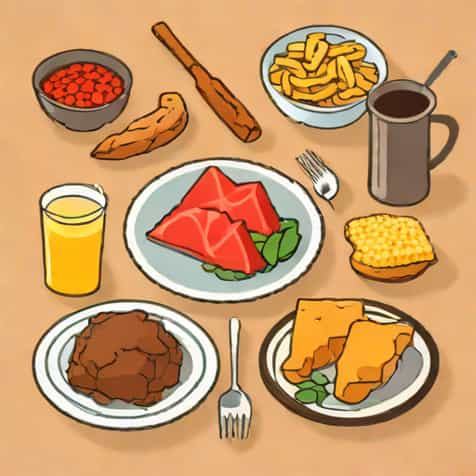
The Herero people are an ethnic group primarily found in Namibia, with smaller communities in Botswana and Angola. Their culture is deeply rooted in cattle herding, community values, and strong traditions passed down through generations. Food plays an important role in Herero life, reflecting their environment, history, and social structure. When people ask what is the traditional food of Herero, they are really asking about a way of life shaped by pastoral traditions, resilience, and respect for livestock as both sustenance and cultural identity.
The Cultural Meaning of Food in Herero Society
For the Herero, food is more than nourishment. It represents wealth, survival, and social connection. Cattle are central to Herero culture, not only as a food source but also as a symbol of status and heritage. Traditional meals are often linked to ceremonies, family gatherings, and important life events.
Because of their pastoral lifestyle, Herero traditional food relies heavily on animal products, especially beef and dairy. Crops play a secondary role, shaped by the dry climate of the region.
Beef as the Foundation of Herero Traditional Food
When discussing what is the traditional food of Herero, beef stands at the center. Cattle are highly valued, and meat is prepared with care and respect. Beef is not eaten casually in large quantities but is often reserved for special occasions or communal meals.
Traditional beef dishes are usually simple, allowing the natural flavor of the meat to stand out. Meat may be boiled, roasted over open fire, or dried for preservation.
Omazendu and Fresh Meat
Freshly prepared beef is commonly boiled or grilled. The cooking method depends on the occasion and availability of resources. Open-fire grilling is common during celebrations and gatherings.
Meat is often shared among family members, reinforcing bonds and mutual responsibility within the community.
Omaere A Key Dairy Product
One of the most distinctive answers to what is the traditional food of Herero is omaere. Omaere is a fermented milk product that holds great cultural significance. It is made by allowing fresh milk to ferment naturally over time.
Omaere has a sour taste and thick texture. It is consumed daily by many Herero families and is valued for its nutritional content and long shelf life in hot climates.
The Role of Milk in Daily Life
Milk is considered a staple rather than a luxury. It is consumed fresh, fermented, or mixed with other foods. Dairy products are especially important for children and elders.
The process of fermenting milk is passed down through generations, making omaere both a food and a cultural practice.
Otjize and the Symbolism of Livestock
While not a food, otjize deserves mention because it highlights the importance of cattle in Herero culture. Otjize is a mixture of butterfat and ochre used to cover skin and hair. Its inclusion shows how deeply dairy products are embedded in Herero identity.
This cultural practice reinforces why livestock-based foods are central to traditional Herero cuisine.
Staple Grains and Side Dishes
Although animal products dominate, grains also play a role in answering what is the traditional food of Herero. Mahangu, also known as pearl millet, is the most common grain consumed.
Mahangu is drought-resistant and well suited to the Namibian climate. It is ground into flour and used to prepare thick porridge.
Oshifima
Oshifima is a stiff porridge made from mahangu flour and water. It is one of the most common side dishes served with meat or sour milk.
This dish provides energy and balances the richness of meat and dairy-based meals.
- Mahangu porridge (oshifima)
- Boiled or grilled beef
- Fermented milk (omaere)
Traditional Cooking Methods
Herero cooking methods are simple and practical, shaped by a semi-nomadic lifestyle. Open fires are commonly used, and cooking utensils are minimal.
Boiling and roasting are preferred methods, requiring little seasoning. Salt is sometimes added, but spices are generally limited.
Food and Ceremonial Occasions
Food plays a central role in ceremonies such as weddings, funerals, and ancestral rituals. During these events, cattle may be slaughtered, and large quantities of meat are prepared.
Sharing food during ceremonies strengthens community ties and honors ancestors. The preparation and distribution of food follow traditional customs and social roles.
Gender Roles in Food Preparation
In traditional Herero society, food preparation roles are often divided by gender. Women are typically responsible for preparing grains, fermenting milk, and cooking daily meals.
Men are more involved in livestock management and meat preparation during ceremonies. These roles reflect broader cultural structures within the community.
Adaptation to Modern Influences
Today, Herero food culture continues to evolve. While traditional foods remain important, modern ingredients such as rice, maize meal, and store-bought goods have become more common.
Despite these changes, many Herero families still prioritize traditional meals, especially during cultural events and rural life.
Nutritional Perspective of Herero Traditional Food
From a nutritional standpoint, Herero traditional food is high in protein and healthy fats due to its reliance on beef and dairy. Fermented milk provides beneficial bacteria and nutrients.
Grains like mahangu add fiber and energy, creating a balanced diet adapted to the physical demands of pastoral life.
Why Herero Traditional Food Matters Today
Understanding what is the traditional food of Herero helps preserve cultural identity and heritage. Food traditions connect younger generations to their history and values.
In a globalized world, maintaining traditional cuisine becomes a form of cultural resilience and pride.
So, what is the traditional food of Herero? It is a cuisine centered on cattle, especially beef and fermented milk, supported by grains like mahangu. These foods reflect the Herero people’s pastoral lifestyle, environmental adaptation, and strong cultural values.
Herero traditional food is simple yet meaningful, rooted in community, survival, and respect for livestock. By preserving these food practices, the Herero people continue to honor their ancestors while sustaining their cultural identity for future generations.